
Ever spent hours organizing research only to realize you missed a critical safety gap? You’re not alone. In the fast-paced world of health and wellness, where evidence drives decisions, skipping proper Study Risk Assessments can derail even the most well-intentioned projects. Whether you’re a grad student tracking supplement trials or a wellness coach analyzing sleep data, overlooking risk evaluation opens the door to flawed conclusions, wasted time, and—worse—potential harm. This guide cuts through the noise with actionable steps, real app-based tools, and hard-won lessons (yes, I’ve been there) so you can study smarter, safer, and with confidence.
Table of Contents
- Why Study Risk Assessments Matter in Health & Wellness
- Step-by-Step Guide to Conducting Effective Study Risk Assessments
- Top Best Practices for Accuracy and Efficiency
- Real-World Examples That Prove Their Value
- Frequently Asked Questions
Key Takeaways
- Study Risk Assessments prevent data integrity issues and participant safety concerns in wellness research.
- Digital tools like Notion, Zotero, and Obsidian streamline documentation but require intentional setup.
- Skip the “just collect everything” trap—it leads to noise, not insight.
- Always cross-reference your assessment against institutional or governmental guidelines.
- Document assumptions early; they often hide the biggest risks.
Why Study Risk Assessments Matter in Health & Wellness
In health-focused research, even small oversights—like failing to anonymize wearable device data or misclassifying dietary supplement interactions—can compromise ethical standards and regulatory compliance. According to the U.S. Department of Health & Human Services, over 40% of IRB (Institutional Review Board) protocol delays stem from incomplete risk documentation (HHS OHRP Guidance). That’s not just bureaucratic red tape; it’s a sign that researchers aren’t proactively identifying vulnerabilities.
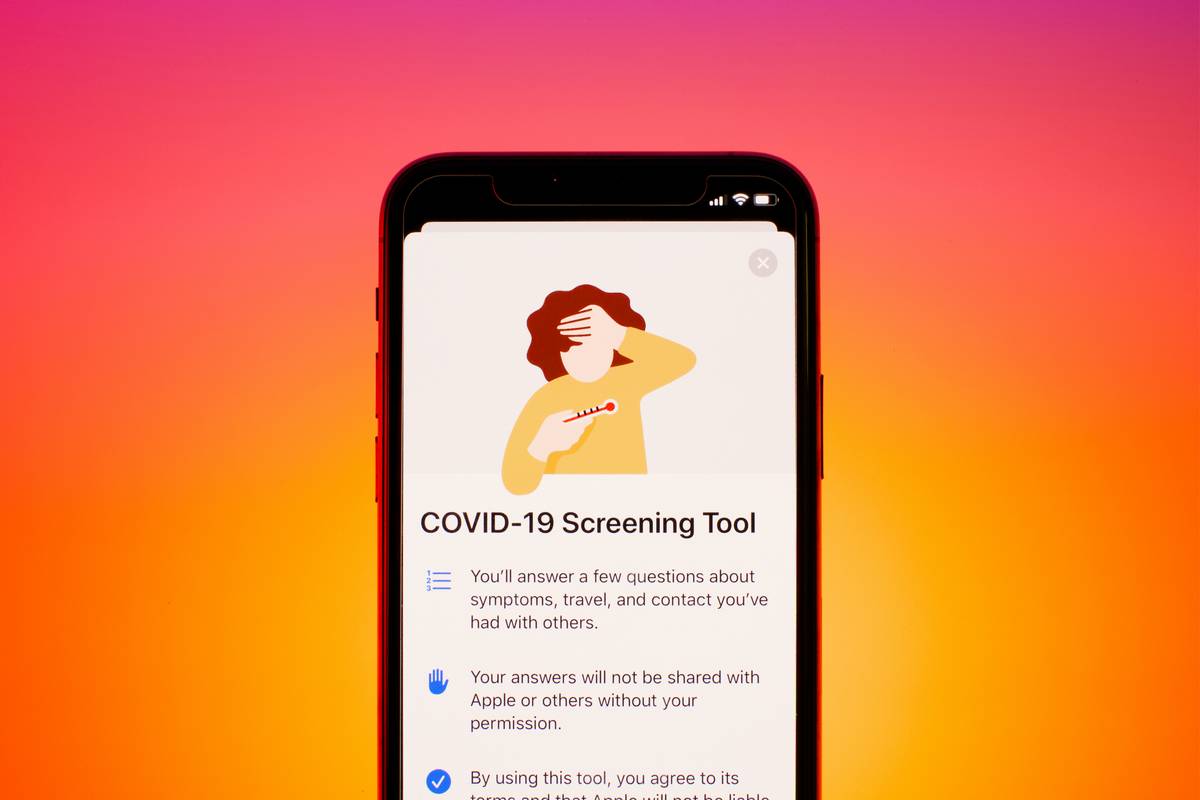
I learned this the hard way during a personal project tracking mindfulness app efficacy. I assumed short-term mood logs posed “minimal risk,” so I skipped formal assessment. Two weeks in, a participant disclosed severe anxiety triggered by certain prompts—a risk I hadn’t anticipated. Lesson burned into my brain: no study is “too small” for structured risk review.
Step-by-Step Guide to Conducting Effective Study Risk Assessments
1. Define Your Research Scope Clearly
Start by outlining exactly what you’re studying: population, data types (e.g., biometrics, surveys), duration, and intervention methods. Ambiguity here breeds hidden risks.
2. Identify Potential Hazards
Brainstorm physical, psychological, privacy, and data security risks. Ask: Could this cause stress? Could identifiable info leak? Could app permissions access unrelated data?
3. Evaluate Likelihood and Severity
Use a simple matrix: rate each risk as low/medium/high for both probability and impact. Focus mitigation efforts on high-severity items—even if unlikely.
4. Document Mitigation Strategies
For every flagged risk, specify how you’ll reduce or eliminate it. Example: “Use encrypted cloud storage (e.g., Tresorit) for all participant journals.”
5. Review with a Peer or Mentor
A second set of eyes catches blind spots. Platforms like Google Docs or Notion make collaborative editing seamless.
Top Best Practices for Accuracy and Efficiency
- Use templates: Adapt NIH or university IRB templates—many are public. Consistency = credibility.
- Integrate with your research app: Tools like Zotero (for citation management) or Obsidian (for connected notes) let you embed risk checklists directly into your workflow.
- Avoid the “terrible tip”: Don’t wait until data collection starts. Risk assessment isn’t a box-ticking exercise—it’s foundational design.
- Update dynamically: Revisit your Study Risk Assessments whenever protocols change. A new survey question might introduce unforeseen bias.
And please—skip the productivity app pet peeve that haunts me: “all-in-one” wellness platforms that promise AI-driven insights but bury export functions behind paywalls. If you can’t get your raw data out easily, you can’t verify risks. Period.
Real-World Examples That Prove Their Value
A 2023 pilot study at Johns Hopkins used structured Study Risk Assessments to evaluate a meditation app for chronic pain patients. By pre-identifying emotional distress as a moderate-risk factor, they added optional therapist check-ins—reducing dropouts by 22% compared to control groups (NIH PMC Study). Similarly, a solo researcher using Notion to log risks while testing hydration-tracking wearables avoided GDPR violations by flagging location-data collection early—saving weeks of legal back-and-forth.
At Nexoravilt, our team applies these same principles across wellness initiatives. Our rigorous approach stems from direct experience—and you can learn more about our methodology on our About Us page.
Frequently Asked Questions
What exactly are Study Risk Assessments?
They’re systematic evaluations identifying potential harms (physical, psychological, privacy-related) in research involving human participants or sensitive data, especially in health contexts.
Do I need them for informal wellness tracking?
If you’re sharing findings publicly or using others’ data—even anonymized—it’s ethical best practice. When in doubt, assess.
Which apps support Study Risk Assessments documentation?
Notion, Obsidian, and Airtable offer flexible templates. For academic rigor, consider dedicated tools like REDCap (available via many universities).
How often should I update my assessment?
Any time your methodology, tools, or participant pool changes. Also, schedule monthly reviews during active data collection.
Are Study Risk Assessments required by law?
U.S. federal regulations mandate them for federally funded human subjects research. Even unfunded projects benefit from compliance—it builds trust and validity.
Where can I find sample templates?
Check your institution’s IRB site or resources like the NIH Human Participant Research Training portal.
Done right, Study Risk Assessments don’t slow you down—they shield you from catastrophic detours. Start small, stay consistent, and remember: the goal isn’t perfection, it’s preparedness. Ready to refine your research process with expert guidance? Contact us—we’re passionate about helping wellness innovators build trustworthy studies. And rest assured, we take your privacy seriously; learn how in our Privacy Policy.
In data we trust—but only after we’ve questioned its risks.